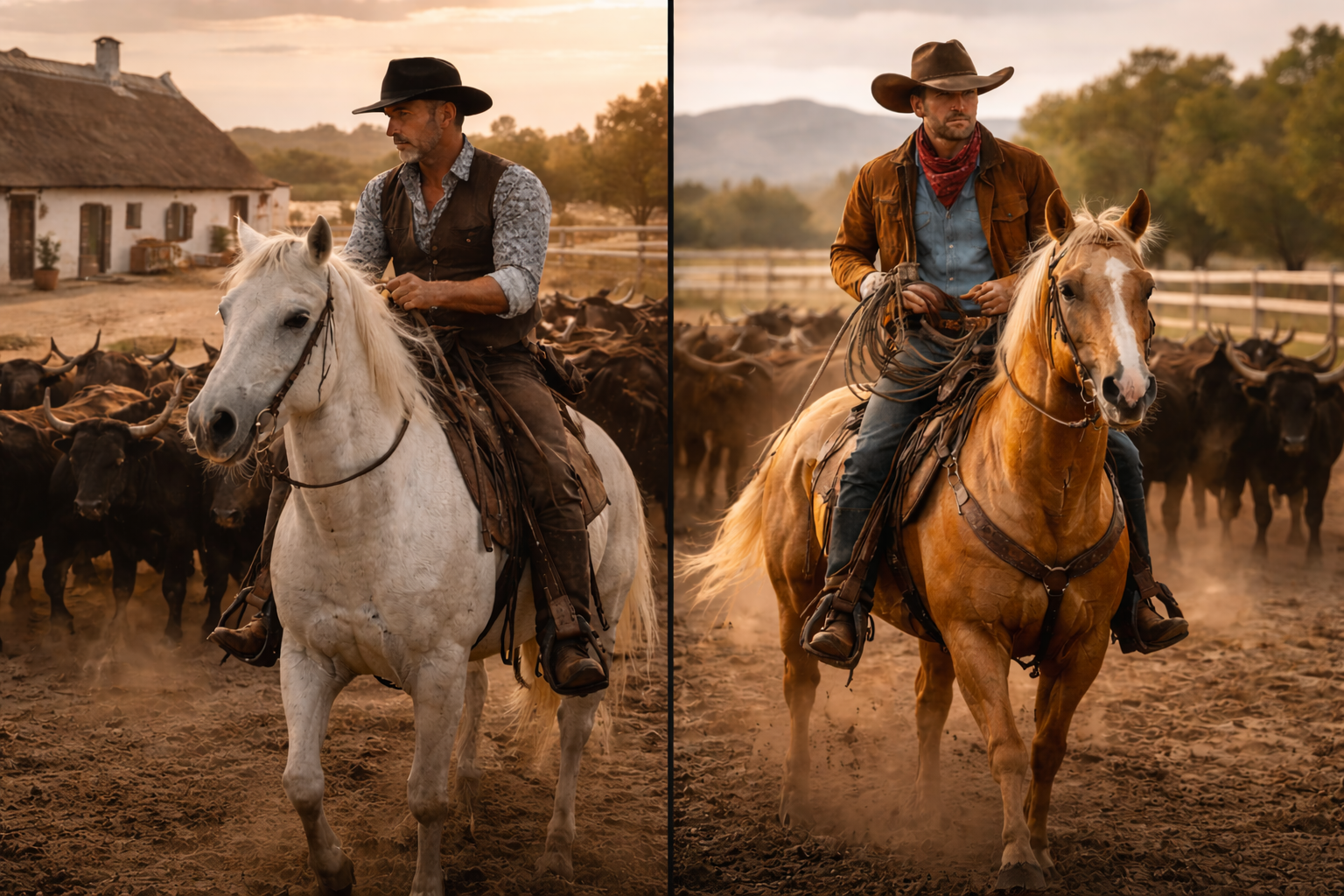
Manade vs Texas ranch: what really differs?
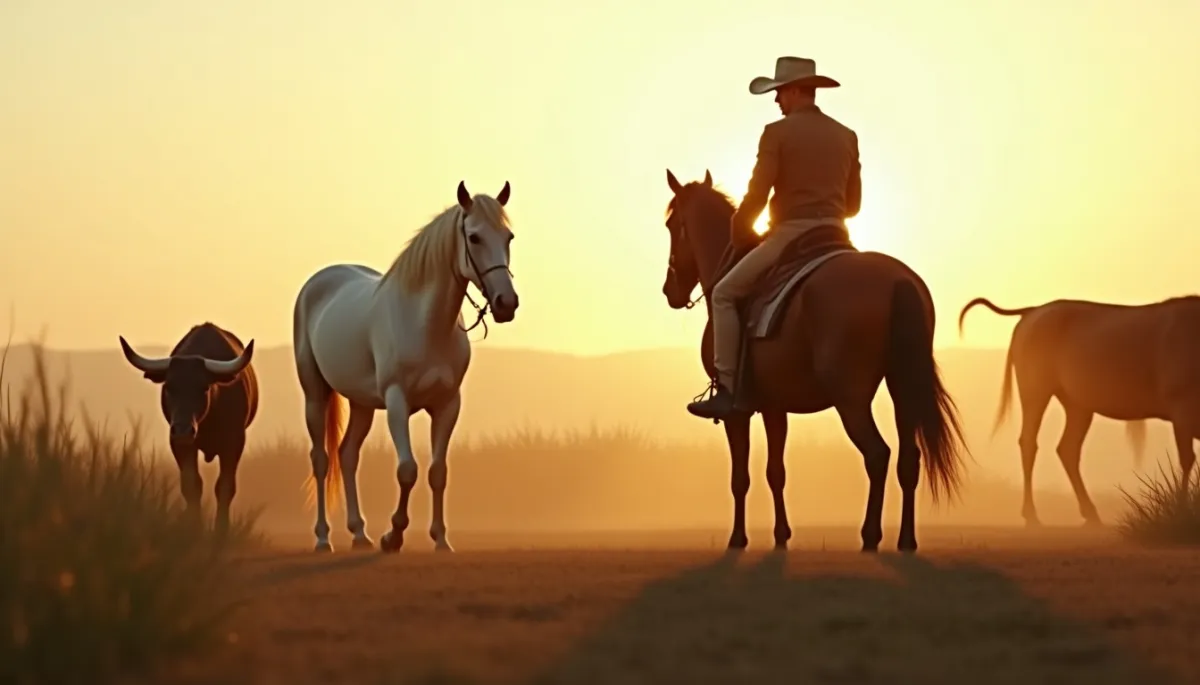
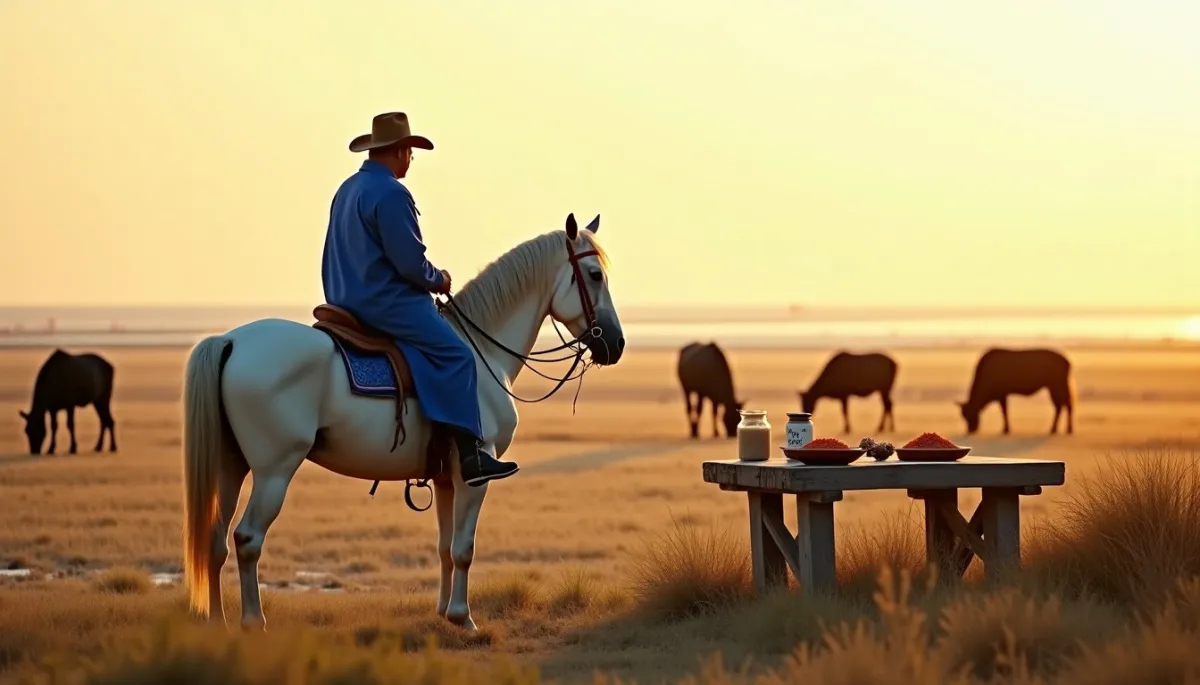
Two worlds of cattle and horses meet: one humid and white, the other vast and sunburnt. Across centuries, the manade of the Camargue and the ranch of Texas developed similar skills, but for very different lands and lives.
🚀 Key Takeaways
- Core concept : Manades are semi-feral herds tended by gardians in marshy commons, ranches are large private enterprises focused on beef and market production.
- Practical tip : Attend an abrivado in Camargue, and visit a working Texas ranch in spring for cattle handling demonstrations.
- Did you know : The Chisholm Trail cattle drives (c.1867-1884) shaped the image of the American cowboy, while Camargue herding evolved with salt marsh ecology and regional festivals like the Saintes-Maries-de-la-Mer pilgrimage.
La lumière change vite sur l'herbe humide. Imagine a rider in white between reeds and bulls, a low sky reflected in shallow water.
rythme sauvage
The manade is a rhythm tied to water, salt and a small, old breed of horse. In the Camargue, a manade usually groups bulls and Camargue horses that graze semi-freely across marshes and pastures. The animals are rarely stalled; they live outdoors and are rounded up for specific events, breeding or veterinary care.
Gardians, the local mounted herders, use the compact Camargue horse, famous for its endurance and white coat. Their saddle, the selle gardiane, and techniques like the abrivado (running bulls through the town) reflect centuries of local practice. Festivals such as the Saintes-Maries-de-la-Mer pilgrimage, each May, keep these rituals visible to the public.
By contrast, Texas ranches developed on a continental scale. Ranches like the historic King Ranch, founded in 1853, and the great cattle drives along routes such as the Chisholm Trail (circa 1867-1884), shaped a more commercial, long-distance cattle industry. Fences, brands and large herds define the Texan picture.
mémoire et partage
History matters here. In Camargue, pastoralism adapted to a fragile ecosystem. The Parc naturel régional de Camargue, created in 1970, recognized the link between manades and landscape conservation. Many manadiers are families with roots going back generations, and their work is as much cultural stewardship as agriculture.
The Texan saga is tied to market demand and politics. After the American Civil War, cattle drives fed northern cities. Ranching innovations, from barbed wire fencing to later mechanization, changed practices quickly. The cowboy became an icon through rodeos and literature, but the work remained about scale and profitability.
Anecdotes illustrate both worlds. In Camargue, a famous abrivado in Arles can generate as much local pride as a harvest; bulls that once grazed wild are now stars of the arena in courses camarguaises, a bloodless form of bull game. In Texas, rodeo events display roping skills born of daily ranch tasks, while some modern ranches run tens of thousands of acres with mixed cattle breeds including Texas longhorn ancestry.
choix et contrastes
Scale is the first obvious difference. Manades are typically small to medium, oriented to extensive grazing, biodiversity and local festivities. Ranches often aim for production, with investments in genetics, fencing, water infrastructure and market logistics.
Breeds and tools differ. Camargue horses are small, hardy and ideal for marshes; gardians handle bulls for local spectacles. Texas favors stock adapted to open range, like Quarter Horses for speed and agility, and cattle selected for beef yield. Equipment ranges from the selle gardiane to the western saddle, each shaped by function and terrain.
Yet the overlap is real. Both cultures prize horsemanship, a deep knowledge of animal behavior, and a code of work passed down orally. When a Camargue manadier speaks of patience and rhythm, and a Texan cowboy of timing and range reading, they describe the same conversation between human and herd, translated by different soils and skies.
conseils pratiques
For travelers: time your Camargue visit with local events, May offers the pilgrimage and many abrivados. Respect rules around arenas and private manades, and prefer guided visits to enter pastures safely.
In Texas, spring and early summer are good for visiting working ranches, when calves and handling demonstrations happen. Ask before photographing, and learn a few basics about brands and fencing etiquette.
Finally, whether you dream of salt and reeds or wide horizons, remember that both systems are evolving. Climate, markets and tourism transform practices. Appreciating the differences enriches the traveler's story, and preserves the living knowledge of those who still work on horseback.