The Criollo horse: the indestructible equine legend of the Pampa
The Criollo is a living legend of the South American plains. Small but tenacious, he carried the gaucho through centuries of dust and wind.
🚀 The essentials
- Key concept: The Criollo is a rustic horse of Iberian origin, shaped by the practical breeding of gauchos for endurance.
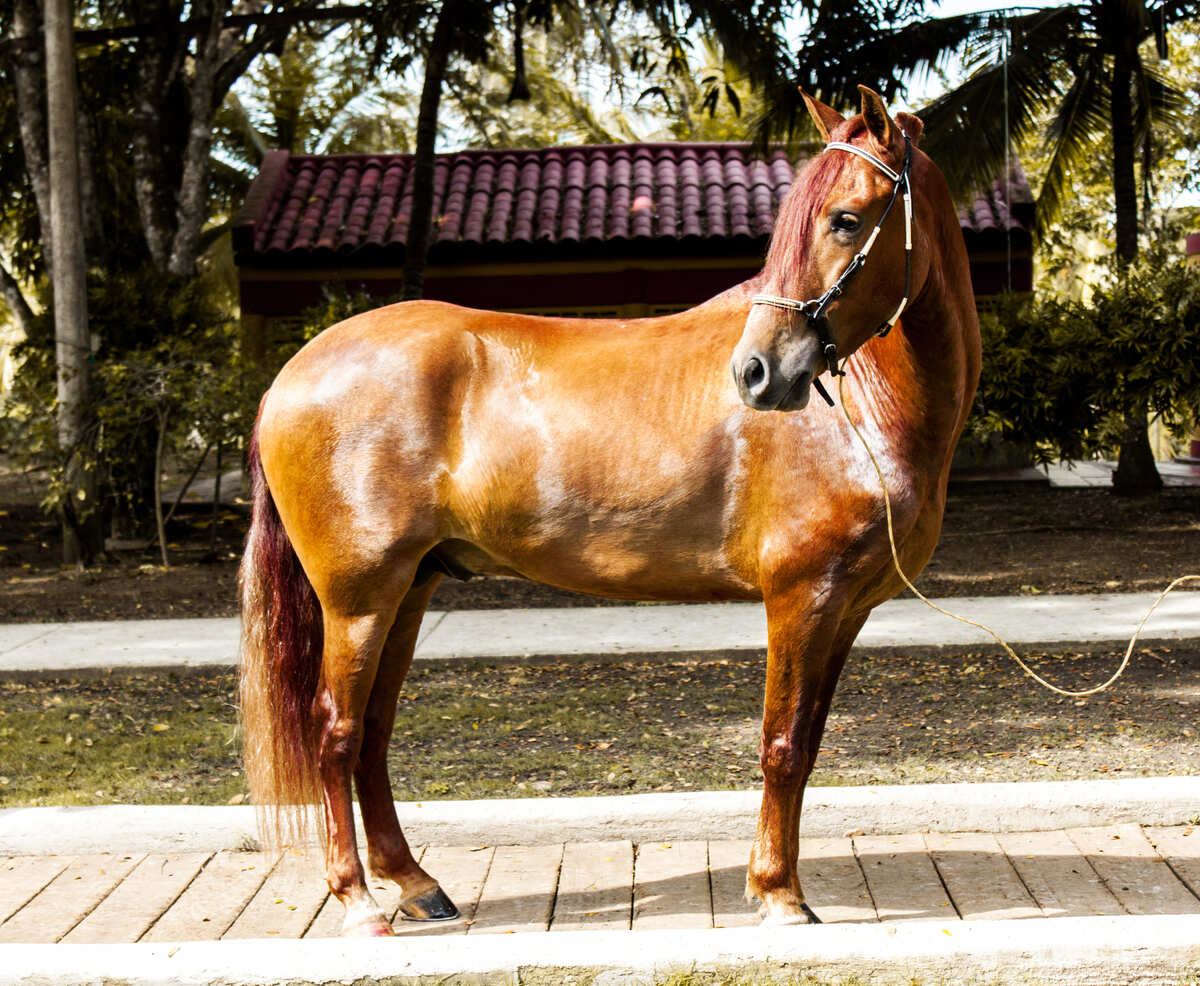
- Practical advice: To recognize a Criollo, look for a compact silhouette, a large chest and powerful hindquarters.
- Did you know: Criollos have long excelled on very long rides without modern supplements.
Compact, tenacious, indestructible.
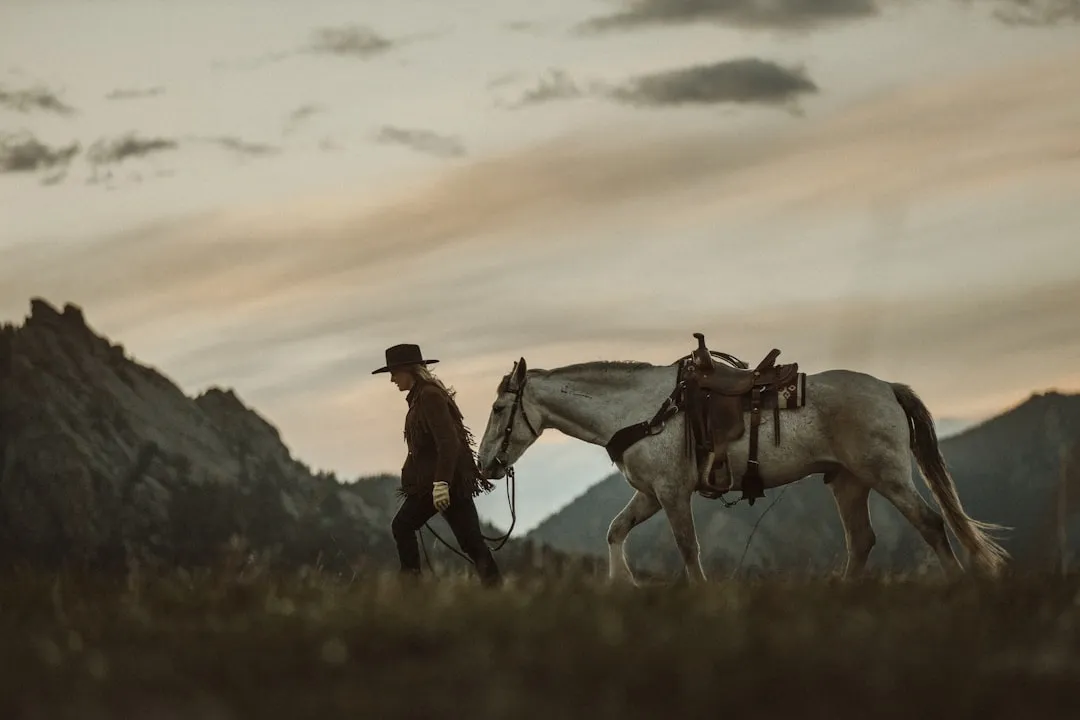
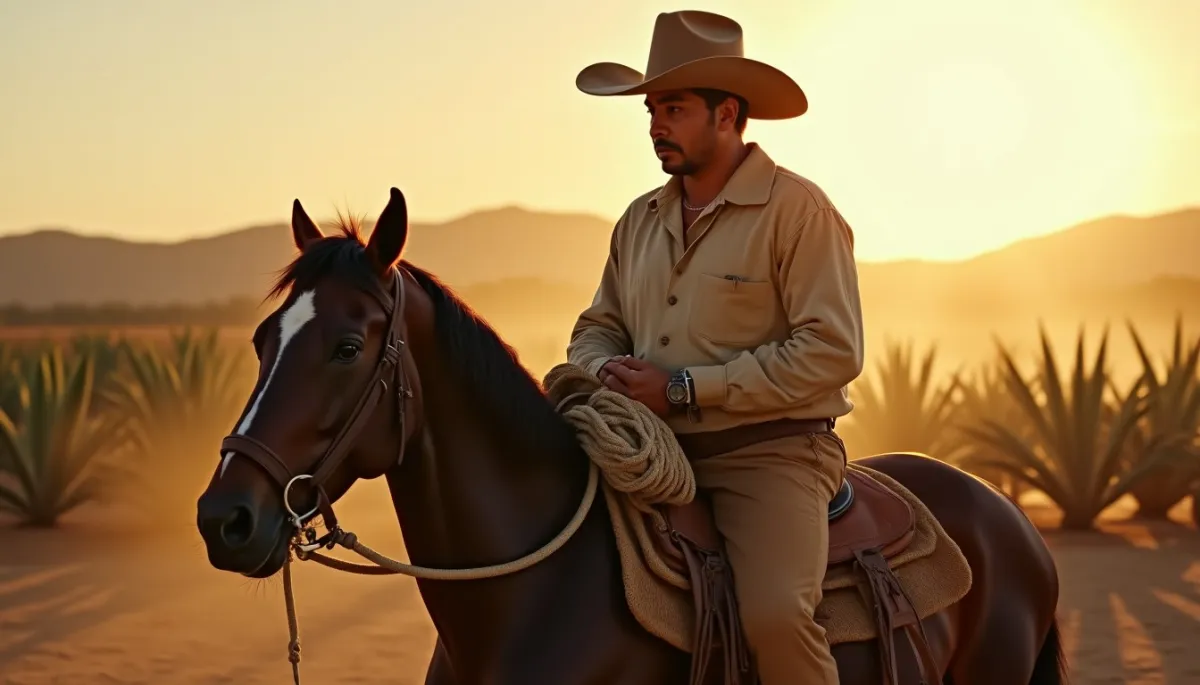
Imagine dawn on the Pampas: a cold light gilding the tall grass, a rider in his poncho guiding a short, muscular horse through the mist and the cattle. The horse advances without wasting effort, breathing regularly, each step testifying to a selection made by daily work.
The Criollo is not only an equine type, it is the living product of a history of labor on the Pampas. Descended from Iberian horses introduced in the 16th and 17th centuries, it adapted through natural and human selection to harsh conditions. Its reputation for endurance, intelligence and reliability is the result of countless daily tasks: rounding up livestock, crossing waterless expanses and braving bad weather with little fodder. This is why estancias from Buenos Aires to Entre Ríos, from Uruguay to Rio Grande do Sul still favor this horse.
Pampa and evidence
Local stories sometimes seem mythical but are based on concrete facts. Farmers tell of cabalgatas lasting several days covering hundreds of kilometers where the Criollos held up better than larger mounts. The archives of the 19th century evoke their role in the great transhumance which structured the economy of the Río de la Plata. During traditional festivals, such as the Fiesta de la Tradición in San Antonio de Areco, the Criollo's dexterity in tight turns and handovers is still celebrated.
Anecdotes reinforce this status. Veterinarians and endurance riders note that Criollos often recover more quickly after significant effort, with pulses dropping and an appetite intact. These are not isolated stories but observations repeated by professionals.
Their value is seen at work: isolating a calf, crossing marshes, or transporting over degraded terrain. In southern Brazil, gaúchos also use Criollo-type horses for similar tasks. This cross-border continuity testifies to the adaptive success of the type.
Why they hold
Natural selection and human choice explain the advantages of Criollo. The first settlers did not breed for aesthetics but for survival. They needed animals that could reproduce, survive lean seasons, and stay healthy after years of toil. Over generations, compact bodies, hard hooves and high breathing capacity became the norm.
The gauchos acted as empirical breeders. Their criteria were concrete: temperament, dietary restraint and recovery after exercise. This utilitarian selection has created a horse that is economical to maintain. Unlike many modern breeds, the Criollo is content with local pastures and a frugal diet, a decisive quality during long transhumance.
Later, structures sought to preserve the type, linking heritage and economy. Registers, functional competitions and rural festivals have helped to make Criollo recognized beyond folklore. However, the essential remained: a horse shaped by the land and the men who depended on it.
Fragility and perspectives
Even robust, Criollo faces contradictions. Modern agriculture, the fragmentation of land and the reduction of daily work are modifying the customs which forged the breed. The rise of leisure breeding and competition criteria focused on appearance can sometimes lead to neglecting functional qualities.
Current conservation programs emphasize functional testing and grazing to preserve original qualities. In Argentina and Uruguay, endurance events and skill competitions are now favored where practical performance takes precedence. These initiatives seek to align selection with the actual use of the horse.
In the Camargue, the comparison speaks for itself. Our herdsmen maintain the Camargue horse for work in marshy environments and herding. The common lesson is simple: a race survives by remaining useful. Supporting working traditions, in the Pampas or the delta, is the best insurance for a living heritage.
Practical advice: to choose a Criollo, focus on the history of use rather than the style. Ask for parentage related to functional tests, observe the condition of hooves and ask riders about recovery after a long ride. The small details reveal whether the animal is a true Pampa survivor or a recent reinterpretation for competitions.